
Tarps and All Tarps and All
  • Vinyl Tarps
  • Poly Tarps
  • Canvas Tarps
  • Mesh Tarps
  • Industrial Curtains
  • Speciality Tarps
Subscribe
Recent Comments
    Recent Posts
    • How to Prevent Mold & Mildew Under Tarps in Hot and Humid Weather
    • Best Tarps for Summer – Protection Tips and Smart Usage Guide
    • Backyard BBQ Setup Guide: Tips to Weatherproof Your Outdoor Space
    • How Heavy-Duty Tarps Perform in Extreme Weather Conditions
    • Focus on Growing Your Farm. Leave the Protection to Tarps.
    Featured Posts
    • breathable tarp canopy setup over patio furniture to prevent mold in humid summer weather 1
      How to Prevent Mold & Mildew Under Tarps in Hot and Humid Weather
      • March 30, 2026
    • UV-resistant tarps covering outdoor furniture and equipment in backyard for summer weather protection 2
      Best Tarps for Summer – Protection Tips and Smart Usage Guide
      • March 27, 2026
    • Weatherproof backyard BBQ setup with heavy duty tarp canopy protecting outdoor grill and seating area from rain 3
      Backyard BBQ Setup Guide: Tips to Weatherproof Your Outdoor Space
      • March 23, 2026
    • Industrial tarp manufacturing process with precision cutting, welding, and reinforced stitching for durability 4
      How Heavy-Duty Tarps Perform in Extreme Weather Conditions
      • March 16, 2026
    • Farm trailer covered with waterproof agricultural tarp protecting harvested crops in wheat field 5
      Focus on Growing Your Farm. Leave the Protection to Tarps.
      • March 11, 2026
    Categories
    • How to Guide & Products
    • Seasons & Occasions
    • Tarp Applications
    • Tarp Features
    • Tarp Tips
    • Uncategorized
    ×

      0
      0
      Tarps and All
      Subscribe
      ×

        Tarps and All
        • Vinyl Tarps
        • Poly Tarps
        • Canvas Tarps
        • Mesh Tarps
        • Industrial Curtains
        • Speciality Tarps
        • Tarp Features

        Insulated Tarps vs. Standard Tarps: Winters Guide to Outdoor Protection

        • October 25, 2024
        • Vishal Deewan
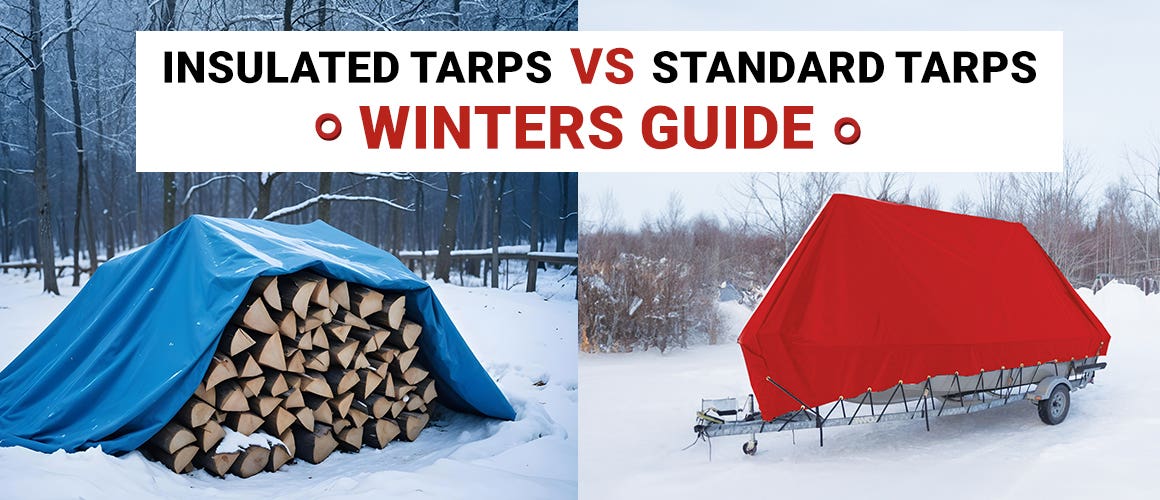
        When winter hits hard, the need for protection from the elements becomes critical, especially for construction, outdoor storage, or agriculture. You are looking to keep your concrete from freezing, cover some greenhouse, store firewood, or something that needs a shield, right? Choosing that right shield (a custom tarp) could be the difference between a job well done and a frost disaster. In this winter tarps comparison guide, we’ll have an insightful battle; insulated tarps versus standard tarps so you can easily decide which one best suits your needs in extreme winter conditions. The Case for Insulated Tarps What Are Insulated Tarps? Insulated tarps are crafted specifically for cold-weather protection. They offer a thermal barrier that keeps objects underneath warmer than the frigid air outside. Their insulation layers—usually made from materials like foam or polyester are sandwiched between outer layers of these heavy-duty tarps’ fabric. They excel in holding heat and preventing frost damage. Imagine your heavy duty insulated tarps as the winter parka of the tarp world, while your standard tarp is more of a windbreaker. Sure, both can protect you from the wind, but only one will keep you cozy when the temperature plummets! Image 2 Where Do Insulated Tarps Shine? Concrete Work: Pouring concrete in winter can be tricky. As temperatures drop below freezing, concrete’s hydration process can slow or stop altogether, potentially causing cracks. Insulated tarps for concrete work by trapping heat, ensuring that the concrete cures properly without frost setting in. Greenhouses: If you have a small-scale farming operation or a backyard greenhouse, keeping your plants warm is crucial. An insulated tarp for greenhouses can make the difference between a healthy crop and frostbitten leaves. These farm tarps keep warmth inside, acting like a heated blanket for your plants. Construction: Winter construction doesn't stop, but you do need to prevent equipment, machinery, and work materials from freezing. Insulated construction tarps are a favorite among builders to protect projects, tools, and structures in harsh climates. The Benefits of Insulated Tarps Superior Thermal Protection: Insulated tarps are designed to retain heat. For instance, when using heavy-duty insulated tarps on construction sites or greenhouses, you create a warmer microenvironment that can stave off frost damage and maintain operational efficiency. Multi-layered Protection: These tarps are not only thermally insulating but also resistant to moisture and wind. The best thermal reflective tarps often have additional layers that repel snow, ice, and water, adding more durability during winter storms. Insulated tarps are best tarps for extreme cold, especially when you need warmth or protection for heat-sensitive materials and plants. But what about those days when all you need is to keep things dry or block a bit of wind? The Case for Standard Tarps What Are Standard Tarps? Standard tarps are your go-to option for basic protection from the elements. These heavy-duty covers, often made from polyethylene or vinyl, are typically waterproof and UV-resistant. These waterproof tarps don’t offer thermal insulation but are great at shielding objects from rain, snow, and wind. Image 3 Where Do Standard Tarps Shine? Firewood Storage: If you’re keeping your firewood dry through the winter, a best tarp for firewood is all you need. Firewood tarps don't have to be insulated because the goal is to keep moisture out, not heat in. Outdoor Furniture: Standard vinyl tarps are great for covering outdoor furniture, machinery, or even cars. They provide protection from snow and ice but don’t trap heat. For many outdoor storage needs, winter tarps for comparison show that standard tarps are often the more economical choice. Temporary Cover: Standard poly tarps are handy for quick fixes. Need to cover an exposed roof or outdoor equipment in a snowstorm? Standard tarps for winter are versatile, easy to use, and can get the job done without the extra cost associated with insulated models. The Benefits of Standard Tarps Cost-effective: If you're not dealing with temperature-sensitive materials, a standard tarp is much easier on the wallet. You don’t need a thermal blanket to keep the lawnmower covered, after all. Versatility: These tarps can be used for all sorts of tasks, from protecting machinery to creating temporary shelters during winter camping trips. Cold weather tarps that aren’t insulated still offer excellent protection from snow and wind. Standard tarps are a no-fuss solution for basic winter protection, but when the mercury drops dangerously low, insulated tarps often take the lead in terms of practicality. Insulated Tarps vs. Standard Tarps: Which Should You Choose? It all boils down to one question: What are you protecting from the cold? Go for Insulated Tarps If: You need extreme weather tarps to keep concrete curing, crops growing, or work materials safe. Heat retention is crucial to prevent frost damage. You're working in an industry like construction where freezing could compromise the safety and success of a project. You want winter-proof tarps that can withstand sub-zero conditions while keeping things warmer underneath. Go for Standard Tarps If: You’re simply looking for heavy-duty tarps for winter that can block snow and rain. You're protecting materials that aren't sensitive to freezing, like firewood or outdoor equipment. You need a quick, versatile, and affordable solution for covering large areas. Best Practices for Winter Tarp Use Secure the Edges: Whether you're using insulated vs. standard tarps, securing the edges with weights or straps can help prevent the tarp from flapping in the wind or blowing away. Layering for Extra Protection: In extreme conditions, consider doubling up. Use a standard tarp for moisture resistance, topped with an insulated tarp for thermal protection. It’s the “layer up” approach, much like wearing a thermal shirt under your jumper! Check Regularly: Especially when using heavy-duty insulated tarps on a construction site or greenhouse, make sure to check for any wear and tear. Replacing damaged tarps promptly will ensure your materials remain protected. As Explained, Know Your Need First In the great battle between insulated tarps and standard tarps, there’s no clear winner—it all depends on your needs. For firewood, quick cover jobs, or simply blocking the wind, standard tarps will do the trick. But if you need to trap heat, prevent frost, or keep your concrete from cracking in the cold, insulated tarps are your new best mate for winter protection. So next time winter rolls in, don’t just throw on any old tarp. Whether it’s covering your tools or keeping your concrete warm, make sure you’ve got the right gear to tackle those country-freezing winter conditions head-on!

        Total
        0
        Shares
        0

        When winter hits hard, the need for protection from the elements becomes critical, especially for construction, outdoor storage, or agriculture. You are looking to keep your concrete from freezing, cover some greenhouse, store firewood, or something that needs a shield, right? Choosing that right shield (a custom tarp) could be the difference between a job well done and a frost disaster. In this winter tarps comparison guide, we’ll have an insightful battle; insulated tarps versus standard tarps so you can easily decide which one best suits your needs in extreme winter conditions. 

        The Case for Insulated Tarps 

        What Are Insulated Tarps? 

        Insulated tarps are crafted specifically for cold-weather protection. They offer a thermal barrier that keeps objects underneath warmer than the frigid air outside. Their insulation layers—usually made from materials like foam or polyester are sandwiched between outer layers of these heavy-duty tarps’ fabric. They excel in holding heat and preventing frost damage. 

        Imagine your heavy duty insulated tarps as the winter parka of the tarp world, while your standard tarp is more of a windbreaker. Sure, both can protect you from the wind, but only one will keep you cozy when the temperature plummets! 

        Where Do Insulated Tarps Shine? 

        1. Concrete Work: Pouring concrete in winter can be tricky. As temperatures drop below freezing, concrete’s hydration process can slow or stop altogether, potentially causing cracks. Insulated tarps for concrete work by trapping heat, ensuring that the concrete cures properly without frost setting in. 
        1. Greenhouses: If you have a small-scale farming operation or a backyard greenhouse, keeping your plants warm is crucial. An insulated tarp for greenhouses can make the difference between a healthy crop and frostbitten leaves. These farm tarps keep warmth inside, acting like a heated blanket for your plants. 
        1. Construction: Winter construction doesn’t stop, but you do need to prevent equipment, machinery, and work materials from freezing. Insulated construction tarps are a favorite among builders to protect projects, tools, and structures in harsh climates. 

        The Benefits of Insulated Tarps 

        • Superior Thermal Protection: Insulated tarps are designed to retain heat. For instance, when using heavy-duty insulated tarps on construction sites or greenhouses, you create a warmer microenvironment that can stave off frost damage and maintain operational efficiency. 
        • Multi-layered Protection: These tarps are not only thermally insulating but also resistant to moisture and wind. The best thermal reflective tarps often have additional layers that repel snow, ice, and water, adding more durability during winter storms. 

        Insulated tarps are best tarps for extreme cold, especially when you need warmth or protection for heat-sensitive materials and plants. But what about those days when all you need is to keep things dry or block a bit of wind? 

        The Case for Standard Tarps 

        What Are Standard Tarps? 

        Standard tarps are your go-to option for basic protection from the elements. These heavy-duty covers, often made from polyethylene or vinyl, are typically waterproof and UV-resistant. These waterproof tarps don’t offer thermal insulation but are great at shielding objects from rain, snow, and wind. 

        Where Do Standard Tarps Shine? 

        1. Firewood Storage: If you’re keeping your firewood dry through the winter, a best tarp for firewood is all you need. Firewood tarps don’t have to be insulated because the goal is to keep moisture out, not heat in. 
        1. Outdoor Furniture: Standard vinyl tarps are great for covering outdoor furniture, machinery, or even cars. They provide protection from snow and ice but don’t trap heat. For many outdoor storage needs, winter tarps for comparison show that standard tarps are often the more economical choice. 
        1. Temporary Cover: Standard poly tarps are handy for quick fixes. Need to cover an exposed roof or outdoor equipment in a snowstorm? Standard tarps for winter are versatile, easy to use, and can get the job done without the extra cost associated with insulated models. 

        The Benefits of Standard Tarps 

        • Cost-effective: If you’re not dealing with temperature-sensitive materials, a standard tarp is much easier on the wallet. You don’t need a thermal blanket to keep the lawnmower covered, after all. 
        • Versatility: These tarps can be used for all sorts of tasks, from protecting machinery to creating temporary shelters during winter camping trips. Cold weather tarps that aren’t insulated still offer excellent protection from snow and wind. 

        Standard tarps are a no-fuss solution for basic winter protection, but when the mercury drops dangerously low, insulated tarps often take the lead in terms of practicality. 

        Insulated Tarps vs. Standard Tarps: Which Should You Choose? 

        It all boils down to one question: What are you protecting from the cold? 

        Go for Insulated Tarps If: 

        • You need extreme weather tarps to keep concrete curing, crops growing, or work materials safe. 
        • Heat retention is crucial to prevent frost damage. 
        • You’re working in an industry like construction where freezing could compromise the safety and success of a project. 
        • You want winter-proof tarps that can withstand sub-zero conditions while keeping things warmer underneath. 

        Go for Standard Tarps If: 

        • You’re simply looking for heavy-duty tarps for winter that can block snow and rain. 
        • You’re protecting materials that aren’t sensitive to freezing, like firewood or outdoor equipment. 
        • You need a quick, versatile, and affordable solution for covering large areas. 

        Best Practices for Winter Tarp Use 

        1. Secure the Edges: Whether you’re using insulated vs. standard tarps, securing the edges with weights or straps can help prevent the tarp from flapping in the wind or blowing away. 
        1. Layering for Extra Protection: In extreme conditions, consider doubling up. Use a standard tarp for moisture resistance, topped with an insulated tarp for thermal protection. It’s the “layer up” approach, much like wearing a thermal shirt under your jumper! 
        1. Check Regularly: Especially when using heavy-duty insulated tarps on a construction site or greenhouse, make sure to check for any wear and tear. Replacing damaged tarps promptly will ensure your materials remain protected. 

        As Explained, Know Your Need First 

        In the great battle between insulated tarps and standard tarps, there’s no clear winner—it all depends on your needs. For firewood, quick cover jobs, or simply blocking the wind, standard tarps will do the trick. But if you need to trap heat, prevent frost, or keep your concrete from cracking in the cold, insulated tarps are your new best mate for winter protection. 

        So next time winter rolls in, don’t just throw on any old tarp. Whether it’s covering your tools or keeping your concrete warm, make sure you’ve got the right gear to tackle those country-freezing winter conditions head-on! 

        Total
        0
        Shares
        Share 0
        Previous Article
        Clear vs. Opaque Vinyl Tarps: Key Differences and Best Uses
        • Tarp Features

        Clear vs. Opaque Vinyl Tarps: Key Differences and Best Uses

        • September 20, 2024
        • Vishal Deewan
        View Post
        Next Article
        Thanksgiving Tarp Art: Fun & Easy Crafts for Kids
        • Tarp Features

        Thanksgiving Tarp Art: Fun & Easy Crafts for Kids

        • November 11, 2024
        • Vishal Deewan
        View Post
        You May Also Like
        breathable tarp canopy setup over patio furniture to prevent mold in humid summer weather
        View Post
        • Tarp Features

        How to Prevent Mold & Mildew Under Tarps in Hot and Humid Weather

        • Vishal Deewan
        • March 30, 2026
        Weatherproof backyard BBQ setup with heavy duty tarp canopy protecting outdoor grill and seating area from rain
        View Post
        • Tarp Features

        Backyard BBQ Setup Guide: Tips to Weatherproof Your Outdoor Space

        • Vishal Deewan
        • March 23, 2026
        Worker rolling heavy duty vinyl tarp for proper storage to extend tarp lifespan
        View Post
        • Tarp Features

        Tarp Maintenance Guide: Clean, Store, Repair & Extend Lifespan

        • Vishal Deewan
        • February 16, 2026
        Low tunnel garden bed covered with black tarp protecting winter vegetables from frost and cold temperatures
        View Post
        • Tarp Features

        How to Use Tarps to Extend Your Garden’s Winter Growing Season

        • Vishal Deewan
        • December 15, 2025
        Mesh tarp used as a shade cover over a backyard seating area.
        View Post
        • Tarp Features

        Mesh Vs Solid Tarps: Choosing the Right Cover for Seasonal Needs

        • Vishal Deewan
        • December 1, 2025
        The air gets cooler, the leaves change, and fall brings its own rhythm of outdoor projects and celebrations. Many people know heavy duty tarps as a way to cover furniture or protect a pile of wood. Yet there is so much more to them when the season shifts. From keeping seasonal decorations safe to creating simple outdoor structures, their value becomes surprisingly clear in fall. If you think tarps only belong in summer camps or construction sites, prepare to see them in a new light. This season invites creativity, and with a little thought, you can turn ordinary multipurpose tarps into practical tools. These creative tarp uses for fall not only save time but also protect your investments. Let us explore some fresh outdoor tarp ideas that make a real difference in everyday life. Create a DIY carport with ease When trees start shedding leaves, your vehicle often becomes the target of falling debris. A well-placed tarp can save you countless clean-up hours. Building a simple carport is easier than many imagine and requires just a few support poles and a sturdy tarp. Use canvas tarps or poly tarps to cover the roof area to keep falling leaves and light rain away. Secure the sides with durable outdoor tarps for added protection from gusty winds. Make use of tarp shelter ideas by combining ropes and poles to hold everything firmly. For areas with stronger rain, choose waterproof tarps to avoid dripping water marks on the car. A DIY carport not only keeps your vehicle clean but also makes daily life smoother during a messy season. Protect Halloween inflatables from weather Seasonal displays bring charm to any yard, but inflatables are often fragile. Rain and damp ground can cause them to wear out quickly. With a thoughtful tarp setup, you can keep them looking cheerful all season long. Use clear tarps as covers so the design remains visible while staying safe. Place a chicken coop tarp cover or small sheet beneath to shield the base from ground moisture. Choose UV resistant tarps to prevent fading under direct sunlight. Add ropes to hold down the tarp and prevent sudden winds from shifting your Halloween decorations with tarp. This small step ensures your festive investment lasts, allowing the neighborhood to enjoy the display for weeks. Shield chicken coops from sudden chills Backyard chickens need steady protection during the cooler months. A simple tarp covering can work as a shield against rain and cold winds. The result is healthier birds and less stress for you. Select custom tarps for a snug fit over the coop without leaving gaps. Line the roof with heavy-duty tarps for outdoor work that resist tearing even in bad weather. Use chicken coop tarp cover ideas to block drafts while still allowing ventilation. Layer poly tarps along the sides for extra insulation against sudden drops in temperature. It is a practical way to prepare for fall without complex construction, giving your flock reliable comfort. Set up temporary walls for outdoor projects Cooler weather often brings yard clean-ups and light construction jobs. A tarp can easily create barriers, offering privacy or shelter while you work. These setups are simple, yet they bring strong advantages. Hang heavy duty tarps between two posts to form a quick barrier. Try temporary wall tarp ideas to divide work areas or keep tools safe from moisture. Truck tarps work well when a larger space needs to be covered. Use durable outdoor tarps that stand firm against fall winds, keeping your space manageable. Such barriers allow you to keep working outdoors even when the season feels unpredictable. Build a leaf collection station Anyone with large trees knows how overwhelming leaves can be in fall. Instead of bagging them one by one, turn tarps into a collection station. It cuts down on time and keeps your yard tidy. Spread out poly tarps on the ground where leaves tend to gather. Drag them together by pulling corners once filled. Select multipurpose tarps strong enough to handle sharp twigs. For longer use, choose UV resistant tarps that do not wear out under repeated sun exposure. This method makes the job less tedious and more efficient, leaving you more time to enjoy the season. Add comfort to outdoor seating areas Fall evenings are crisp and inviting, but seating areas often need extra comfort. A tarp can help extend the use of your patio or yard without major investments. Drape clear tarps around seating zones to block cool breezes while still letting light in. Try tarp shelter ideas that form a canopy, offering coverage from mist or falling leaves. Use canvas tarps for a warmer, rustic look around backyard benches. Secure the setup with durable outdoor tarps so the shelter stays stable even in changing weather. This simple touch keeps gatherings cozy, letting you enjoy fresh air without discomfort. Keep firewood stacks dry and ready Dry firewood is essential in fall, especially for those who love outdoor fire pits or indoor fireplaces. A proper cover ensures your wood remains useful. Cover stacks with waterproof tarps to block moisture from sudden showers. Place multipurpose tarps with enough overhang to cover both top and sides. Use canvas tarps if you want breathable material that prevents mold. For longer stacks, secure with truck tarps for full coverage. A clean, dry pile means you are always ready for warmth without battling damp logs. Design a play zone for kids Outdoor play continues into fall, but grass can get muddy quickly. With tarps, you can create a clean and fun surface for children to enjoy. Lay poly tarps flat to serve as a clean play mat. Cover small playhouses with heavy-duty tarps for outdoor work to keep them dry. Surround the area with custom tarps to form a safe boundary. Use creative tarp uses for fall to make makeshift tents for kids’ activities. It transforms a simple backyard into a seasonal play space without constant maintenance. Support fall gardening projects Tarps become a gardener’s friend when the soil is damp and the wind unpredictable. Lay multipurpose tarps on the ground to keep tools and soil dry. Use canvas tarps to carry leaves, compost, or mulch with ease. Set up tarp shelter ideas over a small bed to protect tender plants from early frost. For heavy lifting, rely on heavy duty tarps to haul soil or garden waste. Simple adjustments make gardening easier and keep your efforts safe from seasonal setbacks. Conclusion The humble tarp is a champion of adaptability, especially during the dynamic fall months. Its value extends far beyond simply covering a woodpile. From safeguarding your car and Halloween haunts to insulating coops and containing project sites, these multipurpose tarps are indispensable tools. They offer simple, affordable, and effective solutions to seasonal problems. So, as you watch the leaves begin to turn, look at your durable outdoor tarps with a fresh perspective. Embrace these creative tarp uses for fall and unlock a new level of preparedness for the season ahead.
        View Post
        • Tarp Features

        9 Unexpected Ways to Use Heavy Duty Tarps This Fall

        • Vishal Deewan
        • September 22, 2025
        How to Use Tarps as the Ultimate Leaf Shield for Your Yard
        View Post
        • Tarp Features

        How to Use Tarps as the Ultimate Leaf Shield for Your Yard

        • Vishal Deewan
        • September 8, 2025
        How Artists and Creators Use Tarps in Unexpected Ways
        View Post
        • Tarp Features

        How Artists and Creators Use Tarps in Unexpected Ways

        • Vishal Deewan
        • September 1, 2025

        Leave a Reply Cancel reply

        Your email address will not be published. Required fields are marked *

        + 82 = 91

          Shop by Category

        • Vinyl Tarps
          Vinyl Tarps
        • Canvas Tarps
          Canvas Tarps
        • Mesh Tarps
          Mesh Tarps
        • Industrial Curtains
          Industrial Curtains
        Categories
        • How to Guide & Products (10)
        • Seasons & Occasions (6)
        • Tarp Applications (42)
        • Tarp Features (28)
        • Tarp Tips (9)
        • Uncategorized (2)
        Recent Posts
        • Industrial curtain walls dividing manufacturing workstations to improve workspace organization and production workflow in a large factory.
          How Industrial Curtains Improve Space Organization and Workflow
          • March 3, 2026
        • Custom-fit balcony privacy tarp providing weather and wind protection for modern home exterior
          Beyond the Rectangle: Introducing Custom Shape Tarps for Your Home and Business
          • February 23, 2026
        • Worker rolling heavy duty vinyl tarp for proper storage to extend tarp lifespan
          Tarp Maintenance Guide: Clean, Store, Repair & Extend Lifespan
          • February 16, 2026
        Archive
        • March 2026
        • February 2026
        • January 2026
        • December 2025
        • November 2025
        • October 2025
        About Tarps&All

        We provide affordable, premium-quality tarps that are custom-made to last. From heavy-duty industrial use to everyday household tasks, our tarps are designed to meet your exact requirements.

        • Category
          • Vinyl Tarps
          • Poly Tarps
          • Canvas Tarps
          • Mesh Tarps
          • Industrial Curtains
          • Speciality Tarps
        • Company Information
          • Home
          • About Us
          • Sitemap
          • FAQs
          • Special Offers
          • Our Blog
          • How To Measure
          • Tarps & All Wallet
          • Our Fabric
          • Business Inquiries
          • Free Swatch Kit
          • Return Policy
          • Privacy Policy
          • Terms and Conditions
          • Order Tracking
          • Contact Us
          • Home
          • About Us
          • Sitemap
          • FAQs
          • Special Offers
          • Our Blog
          • How To Measure
          • Tarps & All Wallet
          • Our Fabric
          • Business Inquiries
          • Free Swatch Kit
          • Return Policy
          • Privacy Policy
          • Terms and Conditions
          • Order Tracking
          • Contact Us
        • Get In Touch
          • Gwinnett County, Suwanee, Georgia 30024
          • 855-827-7769
          • info@tarpsandall.com

        © 2026 tarpsandall.com. All Rights Reserved.

        Footer Payment